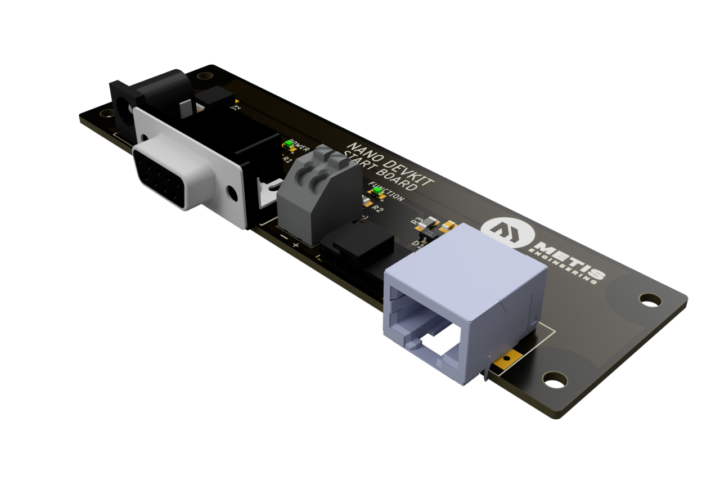
As the world shifts towards sustainable energy solutions, hydrogen is emerging as an alternative fuel source. However, with its potential come challenges, particularly in ensuring safety through effective leak detection. Hydrogen leak detection equipment is becoming increasingly vital in maintaining the safety and efficiency of hydrogen fuel systems. Metis Engineering Ltd, a leader in advanced sensor technology based in Bristol, UK, is at the forefront of this field, developing cutting-edge solutions like the H Guard sensor. These innovations not only monitor hydrogen leaks but also enhance the overall safety framework of hydrogen-powered systems. In this post, we will delve into how advanced hydrogen leak detection equipment is transforming the landscape of energy safety and sustainability.
Introduction to Hydrogen Leak Detection
As hydrogen becomes a more prevalent energy source, understanding hydrogen leak detection is critical. Ensuring safety through effective detection methods is paramount for the widespread adoption of hydrogen technologies.
Importance of Hydrogen Safety
Hydrogen is a highly flammable gas, and even small leaks can pose significant risks, including explosions. Ensuring the safety of hydrogen systems is non-negotiable.
- Hydrogen has a wide flammability range, making it more volatile than other gases.
- Invisible and odourless, hydrogen leaks are difficult to detect without specialised equipment.
- Safety measures are crucial to avoid potential hazards in both domestic and industrial settings.
Investing in robust leak detection systems is essential for the safe use of hydrogen as a fuel. These systems not only prevent accidents but also build public and industry confidence in hydrogen technologies.
Advanced Hydrogen Leak Detection Equipment
The field of hydrogen leak detection has seen significant advancements. Modern devices offer enhanced features and benefits over traditional methods, ensuring greater safety and efficiency.
Key Features of Modern Devices
Modern hydrogen leak detection equipment comes with several key features that enhance their functionality and reliability.
Enhanced Sensitivity: These devices can detect even minute concentrations of hydrogen as low as 1%, ensuring early detection of leaks.
Real-Time Monitoring: Provides continuous data on hydrogen levels, allowing for immediate response to potential leaks.
Durability and Robustness: Designed to withstand harsh industrial environments, ensuring long-term reliability.
Connectivity: Integration with digital systems enables remote monitoring and data analysis, improving decision-making processes.
These features make modern detection equipment indispensable in applications where safety is of utmost importance, such as in hydrogen fuel cells and storage systems.
Benefits Over Traditional Methods
Modern hydrogen leak detection equipment offers several advantages over traditional methods, making them a preferred choice for many industries.
| Traditional Methods | Modern Equipment |
|---|---|
| Manual and time-consuming | Automated and efficient |
| Limited sensitivity | High sensitivity |
| Prone to human error | Minimised human intervention |
| Delayed detection | Real-time alerts |
These benefits contribute to enhanced safety and operational efficiency, making modern detection equipment a valuable investment for hydrogen-related applications.
Metis Engineering’s Sensor Solutions
Metis Engineering is at the forefront of developing sophisticated sensor solutions for hydrogen leak detection. Their innovative products offer cutting-edge technology and real-time data analysis.
The H Guard Sensor
The H Guard Sensor by Metis Engineering is a cutting-edge solution for hydrogen leak detection, offering several notable features.
- High Sensitivity: It can detect hydrogen at very low concentrations, ensuring early leak detection.
- Compact Design: The sensor is lightweight and easy to install in various settings.
- Robust Performance: Withstands harsh conditions, making it ideal for industrial applications.
The H Guard Sensor exemplifies Metis Engineering’s commitment to safety and innovation in hydrogen technologies.
Real-Time Monitoring and Data Analysis
Real-time monitoring and data analysis are crucial features of Metis Engineering’s sensor solutions, enhancing their utility and efficiency.
- Continuous Monitoring: Provides up-to-the-minute data on hydrogen levels, enabling prompt action.
- Data Analytics: Advanced algorithms analyse data trends, predicting potential issues before they arise.
- Remote Access: Users can access data and control systems remotely, offering flexibility and convenience.
These capabilities ensure that organisations can maintain high safety standards and optimise their operations effectively.
Applications and Industry Impact
Hydrogen leak detection equipment has far-reaching applications and is impacting various industries significantly.
Automotive and Energy Storage
In the automotive and energy storage sectors, hydrogen leak detection equipment plays a pivotal role in safety and efficiency.
Automotive Applications:
- Ensures the safety of hydrogen-powered vehicles by preventing leaks.
- Enhances fuel efficiency and performance through precise monitoring.
Energy Storage:
- Protects storage facilities from potential hazards.
- Optimises storage conditions by maintaining safe hydrogen levels.
The use of leak detection equipment in these sectors contributes to improved safety and operational performance.
Other Sectors Benefiting from Detection
Beyond automotive and energy storage, many other sectors benefit from hydrogen leak detection equipment.
- Industrial Applications: Ensures the safe use of hydrogen in manufacturing and processing.
- Aerospace: Critical for maintaining safety in hydrogen-fuelled aircraft.
- Research and Development: Supports safe experimentation and innovation in hydrogen technologies.
These applications underscore the widespread utility of hydrogen leak detection equipment across diverse industries.
The Future of Hydrogen Safety
The future of hydrogen safety is promising, with ongoing innovations and emerging challenges that offer new opportunities for growth and improvement.
Challenges and Opportunities Ahead
While the future of hydrogen safety is bright, there are several challenges and opportunities to consider.
Challenges:
- Ensuring cost-effective solutions for widespread adoption.
- Addressing regulatory and standardisation issues.
Opportunities:
- Expanding applications as hydrogen technologies evolve.
- Collaborations between industries and governments to promote safety standards.
Addressing these challenges and seizing opportunities will be key to advancing hydrogen safety and sustainability in the coming years.