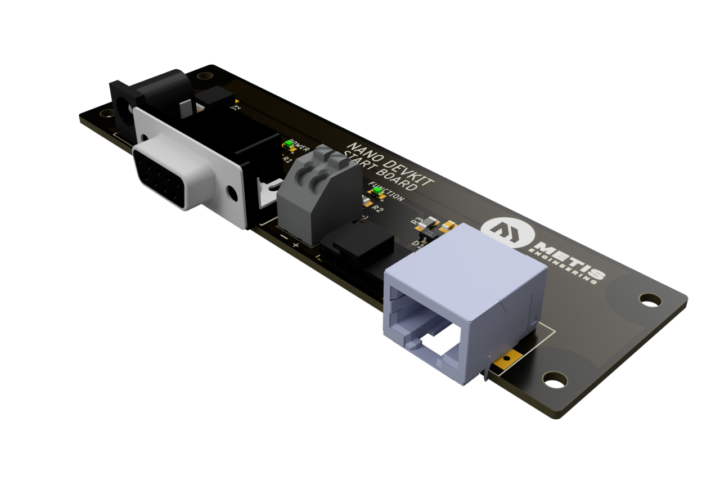
Detecting hydrogen gas leakage is critical for maintaining safety and efficiency in industries that utilise hydrogen fuel systems. Hydrogen, being odourless, colourless, and highly flammable, presents unique challenges when it comes to detection and management. At Metis Engineering, we specialise in developing cutting-edge sensor solutions that provide reliable and accurate monitoring of hydrogen levels. Our H Guard leak detector sensor, a part of our advanced product line, is specifically designed to identify hydrogen leaks swiftly, preventing potential hazards in automotive and energy storage applications. In this guide, we will explore effective methods and technologies for detecting hydrogen gas leakage, ensuring peace of mind and safety in various operational environments.
Understanding Hydrogen Gas Hazards
Understanding hydrogen gas hazards is crucial for industries using hydrogen systems as a fuel source. Recognising the inherent properties of hydrogen and the associated risks can help in establishing effective safety protocols and response measures. This section delves into the nature of hydrogen gas, the risks of leaks, and the critical importance of early detection.
The Nature of Hydrogen Gas
Hydrogen gas is the lightest and most abundant element in the universe. It is odourless, colourless, and highly flammable. These characteristics make hydrogen a preferred fuel source in clean energy applications. However, its invisibility and lack of smell present challenges in leak detection.
The molecular structure of hydrogen allows it to easily escape through even the smallest gaps. This property necessitates the use of specialised gas detection equipment to monitor its presence in confined spaces. Industries need to be aware of hydrogen’s non-toxic nature but recognise that its flammability poses significant safety concerns.
In summary, hydrogen’s properties require a deep understanding of its behaviour in various environments. This understanding serves as the foundation for designing effective detection and mitigation strategies.
Risks Associated with Hydrogen Leaks
Hydrogen leaks can lead to severe safety risks, primarily due to its flammable gas nature. When hydrogen gas is released into the air, it mixes with oxygen and even in very low concentrations will form an explosive mixture. A small spark is enough to ignite this mixture, leading to potentially catastrophic outcomes.
The risks are further compounded by hydrogen’s ability to diffuse rapidly in the air. This can make containment efforts challenging, especially in confined or poorly ventilated areas. Industries using hydrogen must, therefore, employ advanced safety measures to mitigate these risks.
By understanding these risks, companies can develop comprehensive safety protocols. These may include installing advanced sensor systems, conducting regular maintenance, and ensuring staff are trained in emergency response procedures.
Importance of Early Detection
Early detection of hydrogen gas leaks is paramount to ensure safety and prevent accidents. Quick identification of leaks allows for timely intervention, reducing the likelihood of explosions or fire outbreaks.
Using real-time monitoring systems enables facilities to swiftly respond to any detected irregularities. These systems can issue alerts and automatically shut down operations to prevent further escalation. Early detection can also minimise operational disruptions and associated costs.
Incorporating advanced detection technologies and maintaining them regularly is key. This proactive approach can significantly enhance the safety of environments where hydrogen is used, ensuring peace of mind for operators and stakeholders alike.
Metis Engineering’s Sensor Solutions
Metis Engineering offers a range of microelectronic hydrogen sensors designed to meet the demands of modern hydrogen applications. Our sensors focus on monitoring battery health, detecting hydrogen leaks, and ensuring air quality. This section explores the capabilities of our Cell Guard, H Guard, and Air Wise sensors and their applications in enhancing safety and efficiency.
Cell Guard: Battery Health Monitoring
Cell Guard is a sophisticated sensor designed to monitor the health of battery systems. It provides real-time insights into battery performance, detecting anomalies that may indicate potential failures or safety issues.
This sensor plays a crucial role in energy storage systems, where maintaining optimal battery health is vital for operational efficiency. By continuously monitoring parameters such as voltage, temperature, and capacity, Cell Guard helps prevent unexpected downtimes and costly repairs.
Incorporating Cell Guard into your battery systems ensures a proactive approach to maintenance, significantly extending battery life and enhancing safety.
H Guard: Hydrogen Leak Detection
The H Guard sensor represents a leap forward in hydrogen leak detection technology. Specifically engineered to detect even minute traces of hydrogen gas, it provides swift and accurate feedback, essential for preventing hazards.
H Guard’s advanced features include high sensitivity and rapid response times. These qualities make it an indispensable tool in industries ranging from automotive to energy storage, where hydrogen is frequently utilised.
By integrating H Guard into your safety protocols, you can ensure that any hydrogen leaks are identified and managed promptly, reducing risk and upholding safety standards.
Air Wise: Air Quality Monitoring
Air Wise is designed to monitor air quality in environments where maintaining a safe atmosphere is crucial. It detects various pollutants and provides real-time analysis, enabling swift action to improve air conditions.
Incorporating Air Wise into your operations helps maintain compliance with environmental and safety regulations. The insights gained from Air Wise can guide decisions on ventilation and filtration systems, ensuring that air quality remains within safe limits.
By prioritising air quality, you not only enhance safety but also promote a healthier working environment for personnel.
Techniques for Detecting Hydrogen Leaks
Detecting hydrogen leaks requires advanced techniques and technologies that provide reliable and timely data. This section delves into the use of sensor technology, predictive analytics, and other detection technologies, along with real-time monitoring as effective methods for identifying hydrogen leaks.
Using Advanced Sensor Technology
Advanced sensor technology is at the forefront of hydrogen leak detection. These sensors offer high sensitivity and rapid response times, crucial for identifying small leaks promptly.
Utilising a network of sensors ensures comprehensive coverage of potential leak points. This can include areas around storage tanks, pipelines, and usage points. By deploying advanced sensors, industries can achieve accurate and continuous monitoring of hydrogen levels.
Implementing these technologies can significantly reduce the risk of undetected leaks, ensuring that safety measures are activated as soon as a leak is detected.
Integrating Real-time Monitoring
Real-time monitoring is critical for effective hydrogen leak detection. By providing continuous feedback, it ensures that any deviations from normal hydrogen levels are immediately detected and addressed.
Real-time systems often come equipped with automated alert systems that can notify operators of any detected leaks. This immediate response capability allows for quick action, preventing potential hazards from escalating.
The integration of real-time monitoring systems is central to maintaining a safe operational environment, ensuring that hydrogen levels remain within safe and controlled limits at all times.
Safety Measures and Best Practices
Safety measures and best practices are essential for managing hydrogen gas and ensuring safe operational environments. This section provides guidance on installation, maintenance, testing, and response protocols to enhance safety.
Installation and Maintenance Tips
Proper installation and maintenance of hydrogen detection systems are crucial for their effective operation. Here are a few tips to ensure optimal performance:
- Choose the right sensors for your specific application, considering factors such as sensitivity and environmental conditions.
- Install sensors strategically at potential leak points, ensuring comprehensive coverage.
- Conduct regular maintenance checks to ensure sensors are functioning correctly and replace them as needed.
Regular Testing Procedures
Regular testing of hydrogen detection systems ensures they are functioning as intended and capable of identifying leaks. Here’s a step-by-step guide for effective testing:
- Schedule routine tests to evaluate sensor performance and calibration.
- Use controlled releases of hydrogen to test sensor response times and accuracy.
- Document test results and make necessary adjustments based on findings.
- Review and update testing procedures regularly to incorporate new technologies and methodologies.
Implementing thorough testing procedures helps maintain the integrity of detection systems, ensuring they provide accurate and timely alerts.
Emergency Response Protocols
Having well-defined emergency response protocols is essential for managing hydrogen leaks safely. These protocols should include:
- Clear guidelines on how to evacuate the area and contact emergency services.
- Designated roles for staff to ensure that all tasks are covered during an emergency.
- Regular drills to familiarise staff with procedures and improve response times.
- Post-incident reviews to evaluate the effectiveness of response actions and identify areas for improvement.
By establishing robust emergency protocols, you can ensure a swift and effective response to hydrogen leaks, minimising risks and maintaining safety.
Future Trends in Hydrogen Safety
The field of hydrogen safety is continuously evolving, with new technologies and applications emerging. This section explores future trends, including innovations in sensor technology, expanding industry applications, and enhancing environmental standards.
Innovations in Sensor Technology
Recent innovations in sensor technology are driving improvements in hydrogen safety. Developments such as miniaturisation and enhanced sensitivity are making sensors more efficient and versatile.
These innovations allow for broader application across different industries, providing more accurate and reliable data. As technology advances, sensors are becoming smarter, with capabilities such as self-diagnostics and integration with IoT systems.
These advancements promise to enhance hydrogen safety, providing more robust and adaptable solutions for detecting and managing leaks.
Expanding Applications in Various Industries
The use of hydrogen is expanding across various industries, from automotive to aerospace. This expansion is driving the need for advanced safety measures and detection technologies.
Industries are incorporating hydrogen as a clean energy source, necessitating the adaptation of safety protocols to accommodate new applications. The development of specialised sensors for different industrial contexts is helping meet these demands.
As hydrogen’s role in sustainable energy grows, so too does the need for comprehensive safety solutions tailored to diverse applications.
Enhancing Environmental and Safety Standards
As hydrogen usage increases, so does the focus on enhancing environmental and safety standards. Regulatory bodies are continually updating guidelines to ensure the safe integration of hydrogen technologies.
These standards encourage innovation and the development of more efficient safety measures. By adhering to these guidelines, industries can ensure compliance and promote sustainability.
Enhanced standards not only improve safety but also contribute to reducing the environmental impact of hydrogen applications, supporting global sustainability goals.