Specifying gas measurement instruments for a laboratory is a well-trodden path. Specifying them for a hydrogen-powered truck, an autonomous pod, an agricultural machine or a...


Specifying gas measurement instruments for a laboratory is a well-trodden path. Specifying them for a hydrogen-powered truck, an autonomous pod, an agricultural machine or a...

The air inside a vehicle cabin is rarely as clean as its occupants assume. New interior materials release compounds for months after manufacture. Traffic fumes...
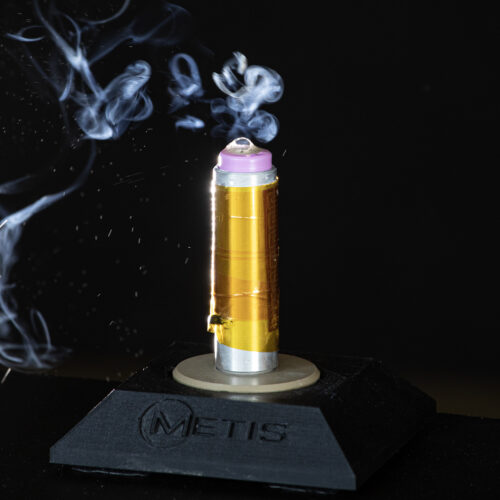
Volatile organic compounds reveal when a battery cell is venting, when a hydrogen system is compromised and when cabin air is degrading. Most vehicles measure...

Hydrogen systems and battery energy storage systems are central to the energy transition, and both share a common safety challenge. Each houses large quantities of...
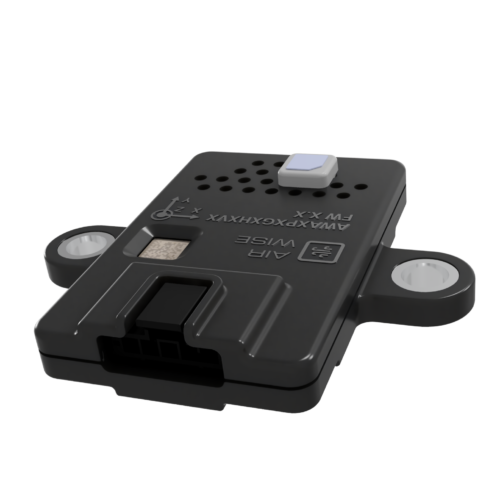
For years, battery safety requirements for electric vehicles were built around a pragmatic compromise. If a cell entered thermal runaway, the aim was to give...

Vehicle tech is defined less by what a component can measure than by how quickly that measurement reaches the controller that needs it. For most...

There is a moment in almost every test programme when the temperature channel count starts to climb. A prototype battery module needs twelve thermocouples. Then...
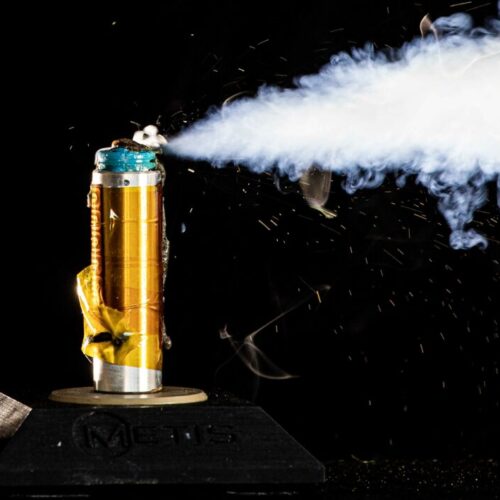
Battery management systems were built to watch voltage and temperature. By the time either moves, most of the opportunity to act has gone. Early warning...

Of all the vehicle tech that underpins autonomous driving and advanced vehicle testing, positioning is among the most fundamental. A self-driving shuttle, an automated logistics...

Pressure measurement is everywhere in vehicles, machines and energy systems: hydraulic lines, coolant loops, compressed air, fuel systems, intake manifolds, battery enclosures and hydrogen tanks....